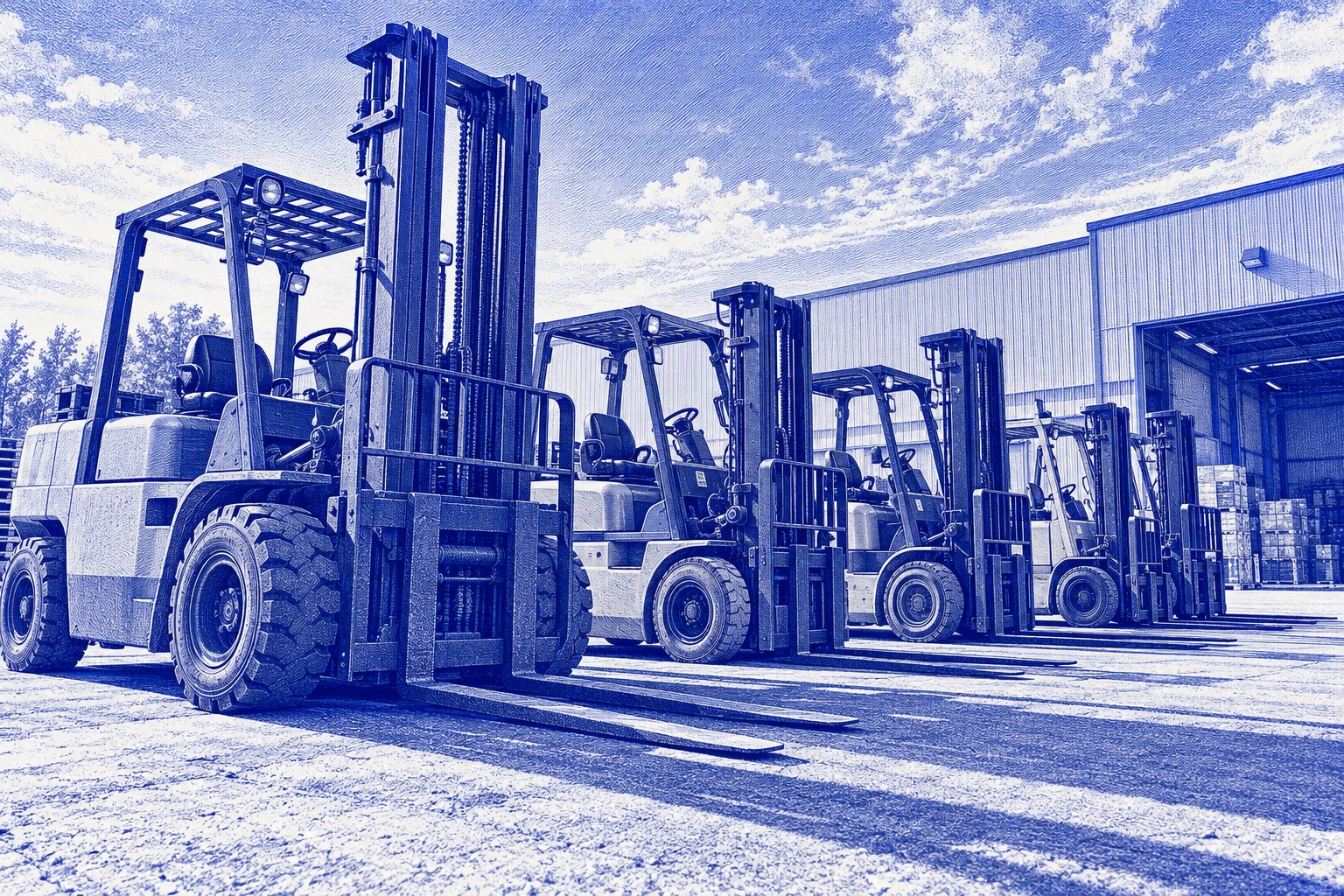
A useful forklift listing gives a buyer enough accurate context to decide whether a conversation is worthwhile: verified machine identity and specifications, condition, location, current availability, useful photographs and a clear inquiry path. More adjectives do not compensate for missing facts.
The listing should help the dealer receive relevant questions while preserving the distinction between advertised information and a final suitability decision. It should not imply that a machine fits an application merely because a model or nominal capacity looks familiar.
Establish a reliable inventory record
Begin with the make, model, year when verified, power type, tire type and the dealer’s stock identifier. Keep serial information in the internal record according to the business’s publication policy. State hours as displayed or verified rather than implying a measurement history you do not have.
Toyota’s equipment and parts material shows the importance of machine identity and configuration. For a listing, the practical lesson is to trace a specification to the actual machine instead of copying a similar model’s description.
If an attribute is unknown, leave it unconfirmed and provide a route for the buyer to ask. Guessing a specification may attract an inquiry that should never have been qualified.
Explain capacity and configuration carefully
Present verified load-capacity information with the relevant context available from the machine’s documentation. Mast configuration, lift and lowered heights, attachments and dimensions may matter to a buyer’s application. Do not treat a generic capacity label as a universal suitability statement.
A listing is not a substitute for competent assessment of the intended application. Ask the buyer what they need to move and where the truck will operate, then direct the suitability decision through the dealer’s qualified process.
Avoid publishing generated mechanical images as photographs of the actual unit. An attractive representation is not evidence of condition or configuration.
Make condition concrete
Describe known condition, inspected areas and documented work without using vague assurances such as “perfect” unless the business can support them. Distinguish a cosmetic observation from a verified operational assessment.
If work is planned but not complete, label it as planned. If a battery, charger or attachment is included only under a specific offer, state that clearly. A buyer should not have to infer inclusions from a photograph or stock description.
Keep the date and responsible owner for the listing’s condition information. The record should be updated when the machine’s state changes.
Use photographs that answer questions
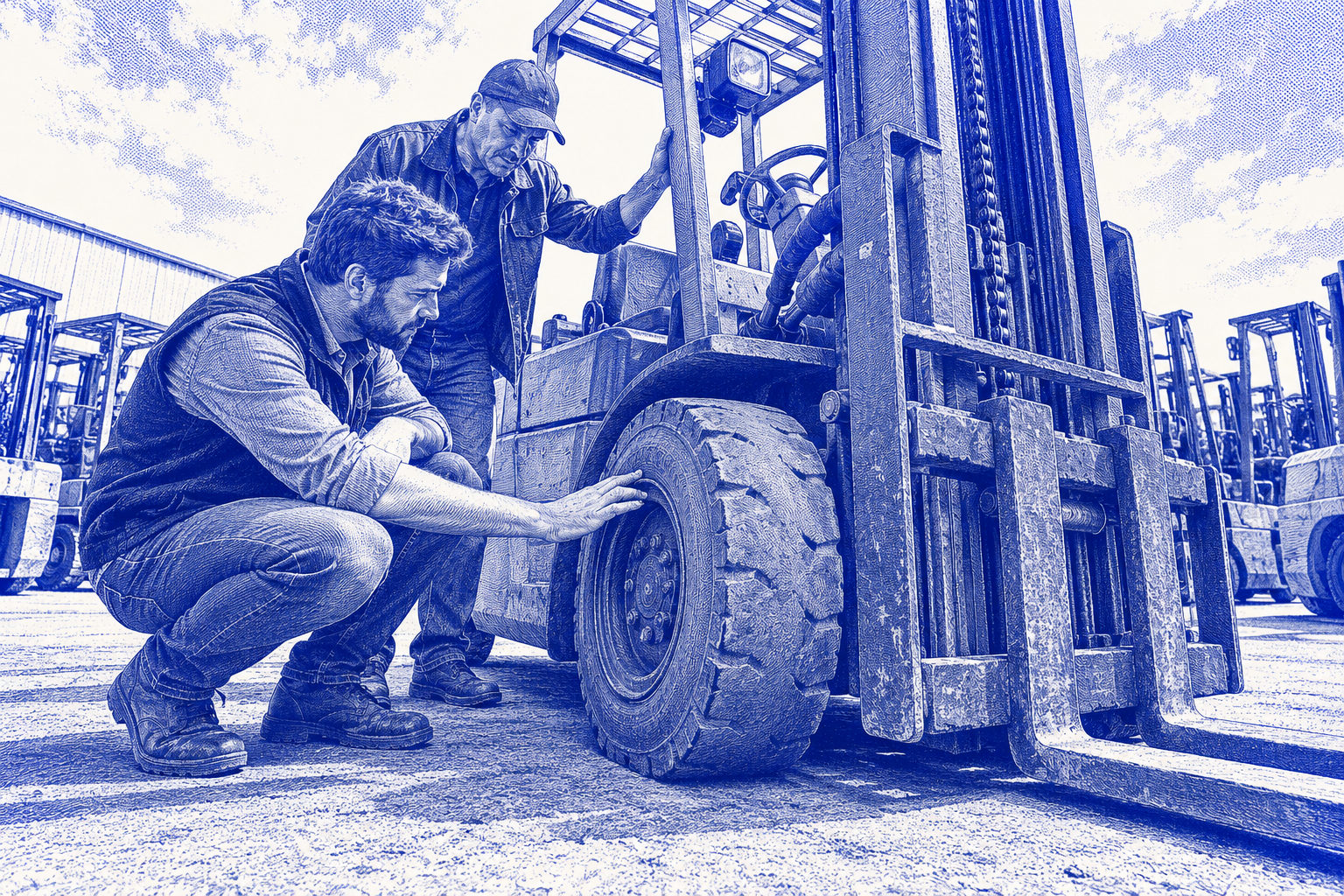
Include clear views of the actual truck, relevant equipment and known condition details. Choose framing that makes the listing useful without disclosing unrelated customer material, employee information or restricted facility details.
A photograph can help a buyer understand the machine, but it does not replace verified specifications. Use captions where a detail could be misunderstood. If a photo is representative rather than of the exact unit, disclose that prominently instead of relying on small print.
The source and rights for images should be known before publication. A manufacturer’s picture or another dealer’s listing is not automatically available for reuse.
Keep availability current
Assign someone responsibility for confirming stock and updating sold, reserved or unavailable states. A listing that remains visible after a sale needs a truthful status and an appropriate next step, not a button that implies the original unit is still ready to buy.
Do not mark inventory reserved merely because a buyer sends an inquiry. An inquiry, a deposit, a confirmed order and a completed sale are different commercial events and must follow the dealer’s actual terms.
If a marketplace imports inventory, define how updates and conflicts are handled. A successful first import does not prove the availability data will remain current.
Keep the listing and the conversation aligned.
Ask for enough buyer context
An inquiry form can ask what the buyer is looking for, the intended location and a preferred reply method. Deeper application questions can follow in the sales conversation. Avoid forcing a visitor to complete an extensive qualification form before asking a straightforward question.
Record permission to share the inquiry with the selected dealer. Preserve the stock identifier so the salesperson knows which machine prompted the message. General analytics should not contain the buyer’s contact details or detailed application notes.
A listing readiness checklist
- Identity and specifications checked against the actual truck.
- Condition statements tied to known evidence and dates.
- Included equipment, price policy and important exclusions clear.
- Actual-unit photographs authorized and appropriately captioned.
- Location and current availability maintained by a named owner.
- Inquiry form points to the correct stock record and dealer.
- Sharing permission and follow-up ownership defined.
- Sold and reserved states update through a reliable process.
How this relates to ForkMax
Forkmax.plus explains the dealer service; forkmax.store is the intended customer-demand property. This website offers an inventory-interest conversation, not a live inventory marketplace or automatic publication service.
The approved subscription model has no revenue share. Listing assistance, import support, capacity and inquiry routing still require an agreed operational scope. Bring your existing inventory system and one representative unit so that discussion can start with real fields and responsibilities.
Sources and context
The primary sources below support the specific statements attributed to them. Worked examples are illustrative assumptions, not industry averages or measured ForkMax results. Labor-market and manufacturing research describe the populations identified in the article.