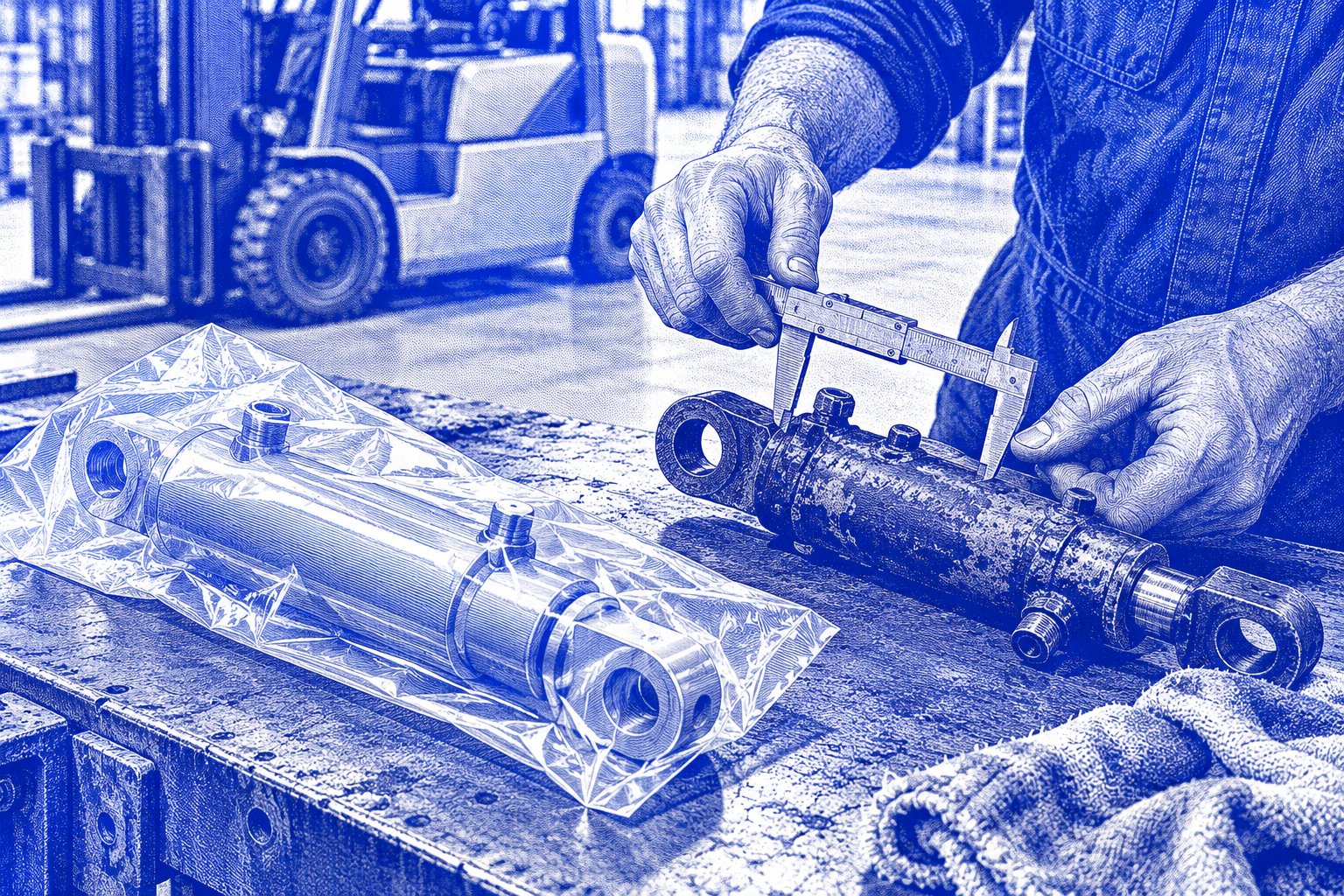
The cost of repairing the wrong forklift component is the extra cost created by the mistake, not simply the price of the next part. Count the unrecoverable first part, repeat labor, additional freight, avoidable travel and coordination. Keep the necessary cost of the correct repair separate so the calculation does not double-count normal work.
A parts invoice shows only part of the loss
A wrong-part event can begin with the wrong diagnosis, an incorrect serial variant, an incomplete supplier description or a substitution that was not checked. Those causes need different controls. The technician may have identified the fault correctly while the order still selected the wrong component.
The manufacturer’s model and serial information illustrates why machine identity belongs at the start of a parts discussion. A familiar appearance or a remembered part number does not establish fit for every machine.
A returned part may generate a credit, but there can still be freight, restocking, packaging, testing and labor costs. A nonreturnable electrical component can have a very different financial outcome. Use the actual supplier’s return and warranty terms rather than a generic recovery percentage.
An illustrative $350 wrong-repair event
Suppose a fictional job creates an $80 unrecoverable parts cost after the supplier credit, $70 of additional freight, three extra technician hours at an assumed loaded cost of $60 per hour, and half an hour of office work at $40 per hour. The incremental total is $350: $80 + $70 + $180 + $20.
The correct replacement part is excluded because it would have been needed in the first place. Only the additional freight created by the mistake is included. If some of the extra labor is charged and collected, record that recovery separately, while still considering the effect on the customer relationship.
These values are a worked example, not a published industry average or a ForkMax result. Customer downtime, lost production and damage to trust may matter greatly, but do not attach a made-up dollar figure to them. Ask for evidence and keep the customer’s loss separate from the dealer’s own cost ledger.
Separate three questions before ordering
First, what is the confirmed cause of the fault? Second, which component and variant fit this machine and repair? Third, which approved supplier offers an acceptable combination of price, availability, delivery and commercial terms?
A low price cannot rescue an incompatible part. A fast delivery cannot rescue an unconfirmed diagnosis. Conversely, requiring another manual approval for every trivial step can create delay without improving the actual decision. Put review at the points where evidence or authority is missing.
Capture the source of the part identification, the machine serial, the verified finding, the supplier’s quoted item and any uncertainty. If an agent suggests an alternative, have it show the basis and the remaining compatibility checks rather than presenting an unverified cross-reference as certain.
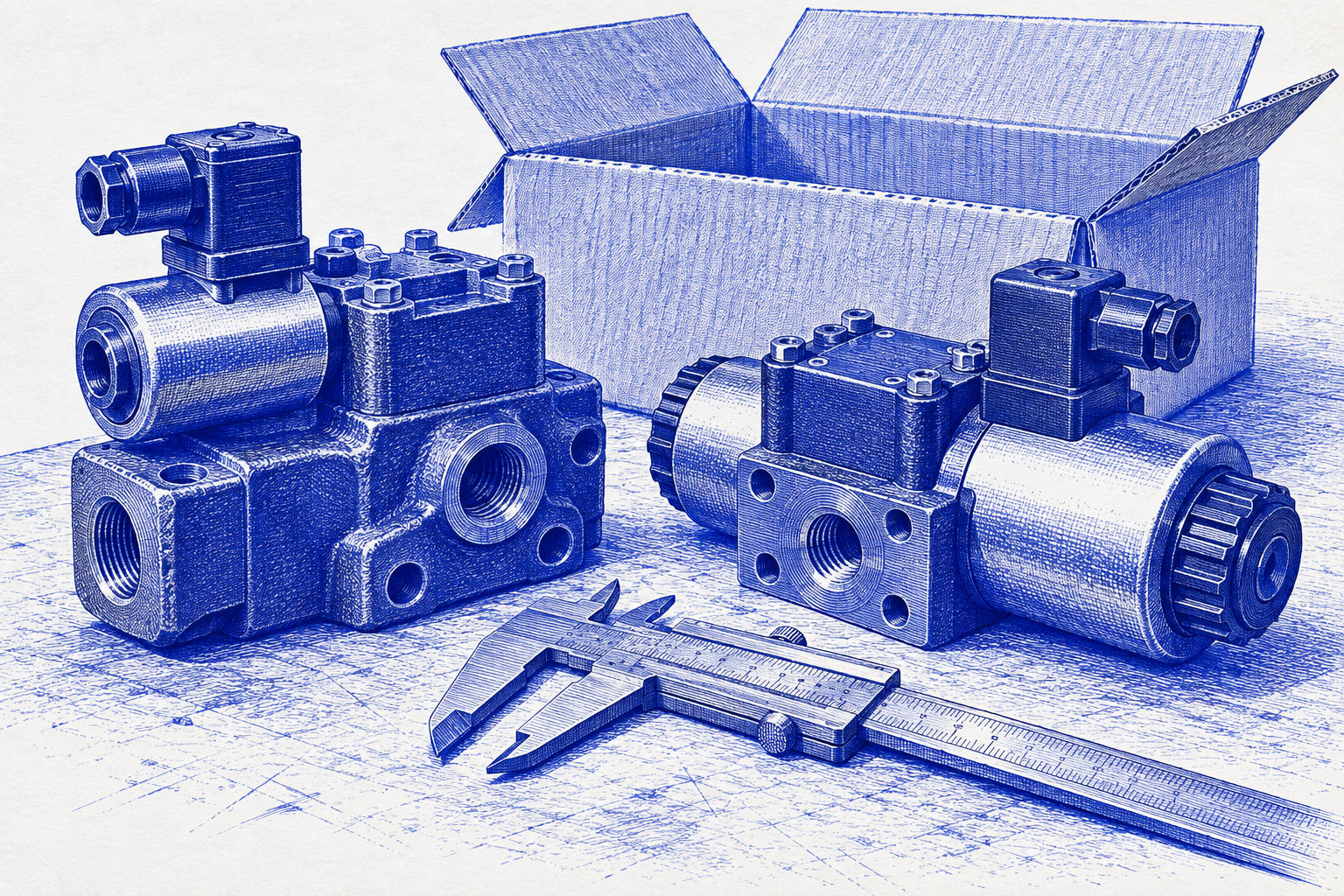
Connect diagnosis to sourcing and scheduling
Tech Copilot can pass the confirmed repair context directly to Parts Agent. Parts can compare approved distributors, retrieve live information where access supports it or request a quote where it does not. An unanswered supplier request remains pending.
The dealer sets rules for supplier eligibility, spending, substitutions and approvals. Once an authorized order is placed, Admin can keep the delivery status with the job and coordinate the next visit. That prevents the confirmed finding from becoming detached from the order and the order from becoming detached from the schedule.
Supplier prices and ETAs can change. The workflow should retain the time and source of a quote, show important changes and avoid telling a customer that delivery is certain when it is still an estimate.
Review wrong-part events without hiding the cause
Track diagnosis-related returns, identification or variant errors, supplier fulfillment errors, defective parts and customer-scope changes separately. Otherwise a broad “parts problem” category conceals which process needs work.
For each event, record gross part cost, credit received, unrecovered amount, extra freight, repeat labor, travel and admin time. Use the same job ID in each system. Compare repeat-event rates and cost per affected job before and after a change, while explaining changes in equipment and repair mix.
Keep outcomes linked to the original decision. A reviewed case should say what was suspected, what was tested, what failed, why the first order was wrong and what ultimately resolved the issue. That makes the experience useful to the next technician rather than another story that only one person remembers.
Two checks before the order.
Common questions
Should the full price of both parts count as waste?
Usually not. Separate the necessary correct repair from the incremental mistake. Apply actual supplier credits and count only unrecovered costs and extra work caused by the error.
Can an AI agent guarantee the correct part?
No. It can improve the context, comparisons and checks, but compatibility still depends on reliable identifiers, approved references, supplier data and qualified confirmation where required.
What is the most useful first control?
Require a traceable machine identifier and confirmed repair context before the purchase decision, then preserve that context through the order. See the diagnostic intake checklist.
Sources and context
The primary sources below support the specific statements attributed to them. Worked examples are illustrative assumptions, not industry averages or measured ForkMax results. Labor-market and manufacturing research describe the populations identified in the article.